A closer look at vr6 engine performance and design
Discover the Power of the VR6 Engine: A Comprehensive Introduction
The VR6 engine attracts attention in the vehicle globe because of its distinctive design and impressive abilities. With a small form and a slim angle, it efficiently incorporates the advantages of V and inline setups. Its power variety and advanced innovations add to both performance and performance. As the conversation unravels, the numerous aspects of the VR6 will certainly expose why it remains to capture the rate of interest of suppliers and fanatics alike.
The Distinct Style of the VR6 Engine
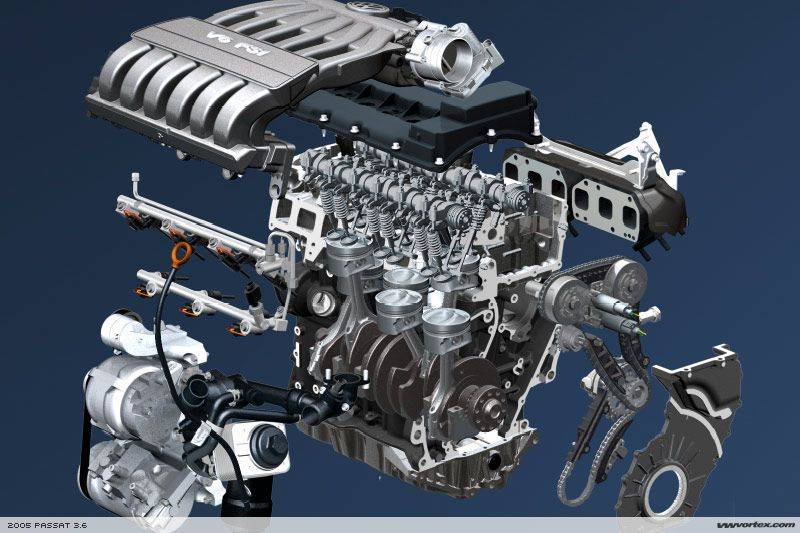
The VR6 engine is renowned for its distinctive configuration, which integrates the advantages of both V and inline engines. This layout features a slim angle in between the cyndrical tube financial institutions, commonly around 15 degrees, enabling an extra portable engine design. Unlike conventional V engines, the VR6 preserves a single cyndrical tube head, streamlining maintenance and lowering weight. This special setup enables a smooth procedure, generating a well balanced power distribution that is particular of inline engines. The VR6's design gives versatility in automobile layout, suitable right into tighter areas than standard V engines, while still offering impressive efficiency. As an outcome, the VR6 has obtained popularity amongst automobile fanatics and makers alike, applauded for its cutting-edge blend of effectiveness and power.
Trick Functions and Requirements
Amongst the standout characteristics of the VR6 engine are its impressive requirements and features that contribute to its performance and effectiveness. The engine usually features a portable layout, real estate six cyndrical tubes in a narrow-angle V setup, enabling a shorter total length compared to conventional inline or V engines. With displacements ranging from 2.8 to 3.6 litres, the VR6 engine makes use of an unique firing order that boosts level of smoothness and balance. It often integrates innovative innovations, such as variable valve timing and direct gas injection, to maximize fuel effectiveness and reduce emissions. In addition, the VR6 is known for its robust building and construction, which combines lightweight materials with high resilience, making certain reliability across different driving problems while keeping a favorable power-to-weight ratio.
Performance Metrics and Power Output
Performance metrics of the VR6 engine showcase its capability to provide excellent power results while maintaining efficiency. Typically configured with a displacement varying from 2.8 to 3.6 liters, the VR6 engine can produce in between 150 to over 300 horse power, depending on the specific variation and tuning. Its one-of-a-kind 15-degree V-angle permits for compact design without giving up power, resulting in a responsive and smooth driving experience. Torque figures also highlight the engine's performance, usually surpassing 200 lb-ft, offering durable acceleration across various RPMs. Moreover, the VR6's engineering enables it to accomplish extensive gas economic situation, making it a flexible selection for both efficiency enthusiasts and daily drivers. On the whole, the VR6 engine succeeds in delivering an unified mix of power, performance, and effectiveness.
Engine Versions and Their Applications
The VR6 engine family consists of different variants, each designed to provide to particular efficiency requirements and automobile types. These engines show convenience across a variety of applications, from stylish coupes to sensible sedans. Recognizing the compatibility of these variations with various cars highlights their value in the vehicle landscape.

VR6 Engine Versions
VR6 engine variations display a distinct mix of design innovation and versatility, making them prominent across different vehicle applications. The key configurations consist of the 2.8 L and 3.2 L engines, each made to meet different performance and effectiveness standards. The 2.8 L variant, frequently located in models like the Volkswagen Golf and Passat, is recognized for its equilibrium of power and gas economy. In contrast, the 3.2 L variant, used in cars such as the Audi TT and Volkswagen R32, offers boosted efficiency qualities. Additionally, these engines can be equipped with different tuning options, further increasing their adaptability. Generally, VR6 variations satisfy a varied variety of lorries, making certain a well-shaped driving experience for lovers and everyday drivers alike.
Performance Applications
Automobile Compatibility
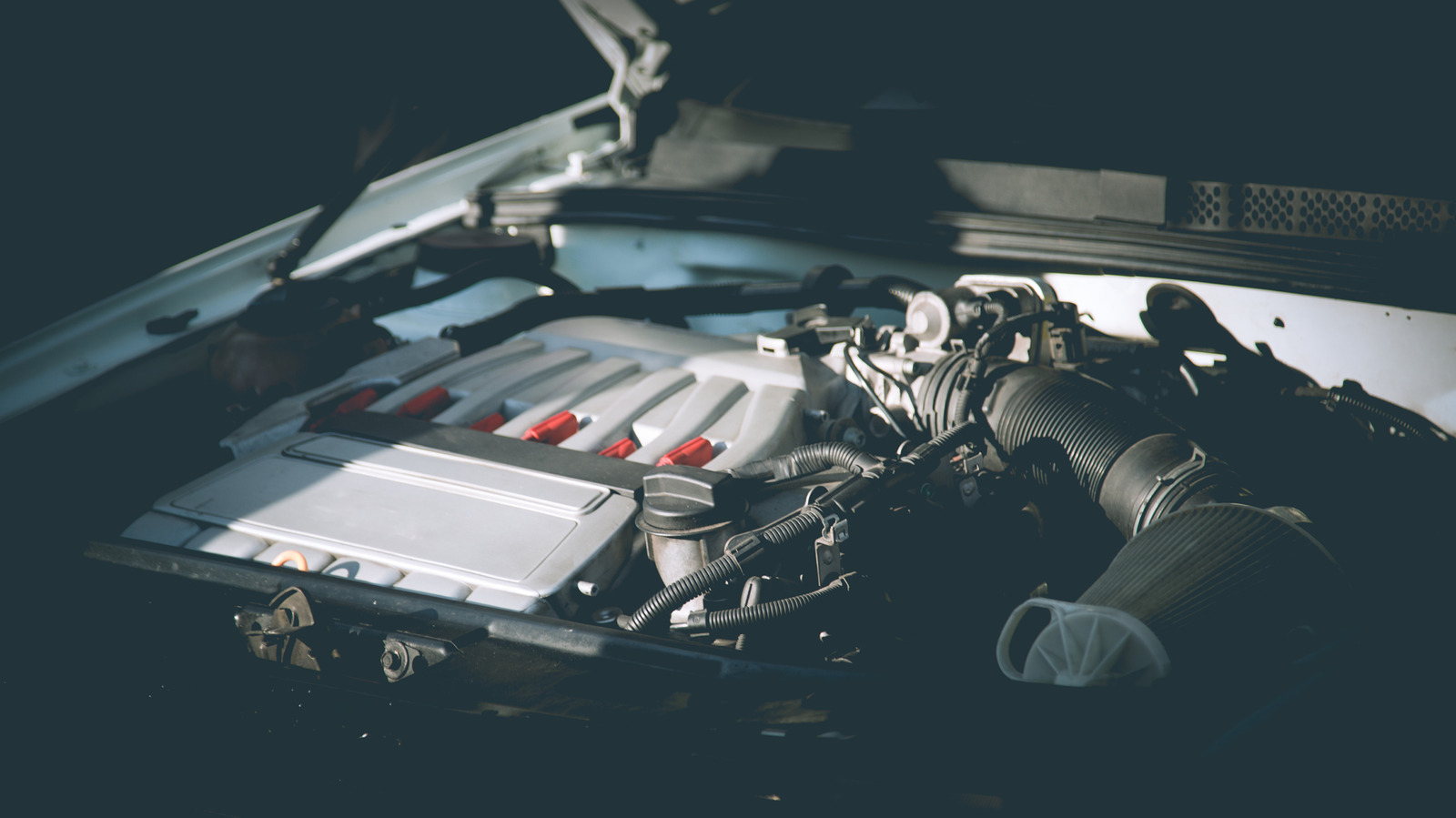
Many automobile designs have efficiently incorporated the VR6 engine, showcasing its compatibility throughout various vehicle platforms. Established by Volkswagen, the VR6 engine has found applications in various versions, consisting of the Volkswagen Golf, Passat, and the Audi A3. These automobiles take advantage of the engine's portable style, which permits for effective product packaging in smaller engine bays while supplying durable performance. In addition, the VR6 has actually been utilized in the Volkswagen Touareg web and the Audi Q7, where it supplies a balance of power and effectiveness for larger SUVs. With versions such as the 2.8 L and 3.6 L, the VR6 engine has demonstrated flexibility, dealing with both performance-oriented and daily driving requirements throughout a broad range of cars.
The VR6's Duty in Popular Car Designs
The VR6 engine has actually made a considerable influence across different renowned Volkswagen models, showcasing its distinct layout and performance. Furthermore, its application in Audi lorries highlights the engine's versatility and capability in providing power. The VR6's presence in motorsport further strengthens its online reputation as a reliable and high-performing engine choice.
Iconic Volkswagen Designs
Volkswagen's VR6 engine has actually ended up being identified with several iconic designs that have actually left a long-term effect on vehicle society. The engine made its launching in the 1991 Volkswagen Corrado, charming enthusiasts with its distinct layout and impressive performance. Following this, it see this powered the cherished Volkswagen Golf and the fashionable Passat, both of which gained an online reputation for their mix of power and functionality. The VR6 additionally discovered its way right into the flashy Volkswagen Jetta, boosting its appeal among performance-oriented chauffeurs. These designs not only showcased the flexibility of the VR6 engine however likewise solidified Volkswagen's placement in the market as a producer of vibrant and engaging automobiles, additionally shaping the brand name's heritage in the automotive world.
Performance in Audi Cars
Primarily associated with Volkswagen, the VR6 engine has likewise played a significant role in enhancing the performance of numerous Audi models. Introduced in the very early 1990s, the VR6 powered models such as the Audi A4 and A6, supplying a blend of power and smooth procedure. The engine's unique style, with its small dimension and V-shaped plan, enabled Audi engineers to optimize both efficiency and managing characteristics. In the A4, the VR6 provided an exhilarating driving experience, identified by responsive acceleration and robust torque. Likewise, the A6 took advantage of the engine's balance of power and refinement, interesting lovers seeking a spirited yet comfy trip. Generally, the VR6 has added to Audi's reputation for performance-oriented deluxe cars.
Tradition in Motorsport
While several engines have made their mark in motorsport, the VR6 stands out for its distinct mix of power and portable layout, making it a preferred among various competing fanatics. This engine's special setup discover this has actually been leveraged in several legendary designs, such as the Volkswagen Golf and the Audi TT. Its versatility enables for excellent handling and performance, making it appropriate for both road and track applications. In motorsport, the VR6 has actually competed effectively in numerous categories, consisting of rally and touring car competitors. Its ability to supply high torque at reduced RPMs enhances velocity, while the portable dimension enables excellent weight circulation. This blend of attributes has solidified the VR6's tradition as a popular player in vehicle auto racing history.
Advantages and Disadvantages of the VR6 Engine
The VR6 engine provides an one-of-a-kind blend of benefits and negative aspects that warrant mindful consideration. Among its key advantages is its small style, permitting a smaller engine bay while still supplying remarkable power and torque. This configuration contributes to better taking care of characteristics in vehicles. Additionally, the VR6's smooth procedure improves driving convenience. There are noteworthy disadvantages, including intricate design and potential upkeep obstacles. The special design can make complex repair services, causing higher service expenses. In addition, some fanatics suggest that the engine's gas efficiency may not be as affordable as other contemporary alternatives. Ultimately, the VR6 engine presents a distinctive selection that balances efficiency and usefulness versus potential disadvantages pertaining to upkeep and performance.
The Future of the VR6 and Automotive Technology
As automobile advancement remains to evolve, the future of the VR6 engine continues to be a topic of passion amongst manufacturers and fanatics alike. With expanding needs for effectiveness and sustainability, the VR6 deals with difficulties in an era progressively concentrated on electrification. Nonetheless, its portable design and one-of-a-kind arrangement might still provide advantages in crossbreed applications, keeping importance in an open market. Manufacturers are checking out ways to incorporate innovative innovations, such as turbocharging and straight shot, to improve efficiency while decreasing discharges. Furthermore, the possibility for the VR6 to coexist with electric powertrains could bring about cutting-edge crossbreed systems. Inevitably, the future of the VR6 will certainly rely on its capability to adjust to the changing landscape of automobile engineering and consumer preferences.
Frequently Asked Concerns
Exactly how Does the VR6 Engine Compare to Inline and V Engines?
The VR6 engine offers a compact design with an unique angle between cylinders, giving an equilibrium of power and smoothness (vr6). Compared to inline and V engines, it incorporates benefits of both while decreasing area requirements
What Maintenance Is Required for a VR6 Engine?
Regular upkeep for a VR6 engine includes oil changes, timing belt replacements, coolant checks, and air filter inspections. Making sure correct fuel high quality and surveillance for leakages also contribute to the engine's durability and performance.
Are There Common VR6 Engine Troubles to Be Aware Of?
Common VR6 engine troubles consist of oil leakages, timing chain problems, and ignition coil failures. In addition, getting too hot and extreme oil consumption are worries that proprietors ought to keep track of to maintain peak performance and durability of the engine.
Can I Exchange a VR6 Engine Into Various Other Automobiles?
Yes, a VR6 engine can be swapped right into numerous vehicles, particularly suitable designs from Volkswagen and Audi (vr6). Modifications might be required for correct fitment, circuitry, and assimilation with other vehicle systems for peak efficiency.
What Is the Expense of a VR6 Engine Substitute?
The expense of a VR6 engine replacement usually ranges from $2,500 to $5,000, depending on variables like labor, place, and whether the engine is new or made use of, affecting the general cost significantly.
The VR6 engine is renowned for its distinct setup, which combines the benefits of both V and inline engines. The engine normally includes a portable style, real estate six cyndrical tubes in a narrow-angle V configuration, permitting for a shorter total size contrasted to conventional inline or V engines. Efficiency metrics of the VR6 engine display its ability to supply outstanding power outcomes while maintaining effectiveness. The VR6 engine family is composed of various variations, each designed to provide to certain performance demands and vehicle kinds. These automobiles benefit from the engine's small design, which permits for reliable packaging in smaller engine bays while giving robust performance.